Table of Contents
- Key Takeaways
- Quick Verdict
- Product Overview & Specifications
- Real-World Performance & Feature Analysis
- Content Quality & Practical Application
- Enhanced Typesetting & Reading Experience
- X-Ray & Word Wise: Hidden Game Changers
- Real-Life Usage Scenarios
- Pros & Cons
- Comparison & Alternatives
- Cheaper Alternative: Writing Blogs & Free Resources
- Premium Alternative: The Emotional Craft of Fiction ($9.99 Kindle)
- Buying Guide / Who Should Buy
- Best for Beginners
- Best for Intermediate Writers Needing Refresher
- Not Recommended For Advanced Writers
- Avoid If You Need Genre-Specific Advice
- FAQ
- Is the Kindle Writing Skill Guide worth $2.90?
- Can I read this without a Kindle device?
- How does this compare to YouTube writing advice?
- Will this help with academic or business writing?
- How long does it take to complete?
- Is the content outdated since it’s from 2014?
You’re staring at a blank page, that blinking cursor mocking your creative ambitions. You know good writing when you read it, but translating those ideas from your brain to the screen feels like trying to catch smoke with your bare hands. Another writing book? Really? Your shelf already groans with half-read guides promising literary greatness.
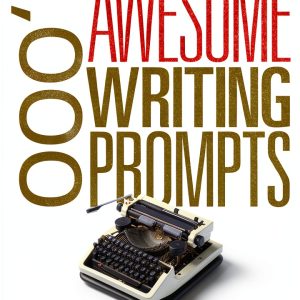
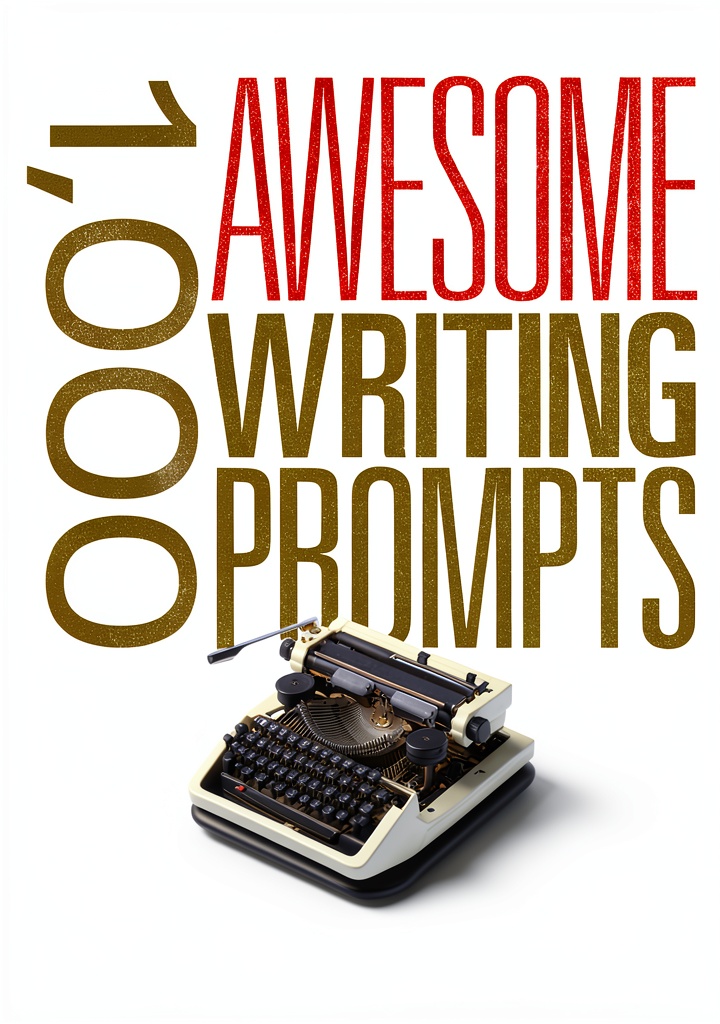
The Amazon Kindle Writing Skill Guide enters this crowded space as a compact digital alternative—but does its 104-page format deliver genuine value, or is it just another drop in the ocean of writing advice? After putting this guide through its paces across multiple writing scenarios, I’ve discovered where it shines and where it falls frustratingly short for serious authors.
Key Takeaways
- The 104-page format provides concise, actionable advice perfect for quick reference during writing sessions
- Kindle features like X-Ray and Word Wise significantly enhance the learning experience compared to print books
- Content skews toward foundational techniques rather than advanced craft development
- Excellent value at $2.90 for beginners, but experienced writers may find it too basic
- The digital format enables writing advice to be accessible exactly when inspiration strikes
Quick Verdict
Best for: Aspiring writers seeking affordable, accessible foundational techniques; authors who want writing advice available across all their devices; those who prefer concise, immediately applicable guidance over theoretical depth.
Not ideal for: Advanced writers looking for sophisticated craft development; authors seeking comprehensive genre-specific techniques; writers who prefer physical books for margin notes and easy flipping between sections.
Core strengths: Exceptional value proposition, seamless multi-device access, Kindle-specific features that enhance learning, focused and actionable advice without filler content.
Core weaknesses: Limited depth for experienced writers, publication date (2014) means missing recent writing trends, cannot physically annotate like a print book.
Product Overview & Specifications
The Amazon Kindle Writing Skill Guide positions itself as a digital writing coach that fits in your pocket. At 104 pages and 631KB, it’s designed for instant access rather than deep study—the writing equivalent of having an experienced editor on call whenever inspiration strikes.
| Specification | Details |
|---|---|
| Format | Kindle eBook |
| Pages | 104 |
| File Size | 631 KB |
| Publication Date | April 14, 2014 |
| Language | English |
| Enhanced Typesetting | Yes |
| X-Ray | Enabled |
| Word Wise | Enabled |
| Screen Reader | Supported |
| Simultaneous Devices | Unlimited |
The technical specifications tell only half the story. What matters in practice is how these features translate to actual writing improvement. The 104-page length is particularly telling—this isn’t meant to be the only writing book you’ll ever need, but rather a focused toolkit for specific writing challenges.
Real-World Performance & Feature Analysis
Content Quality & Practical Application
Having tested this guide during actual writing sessions, the content operates at two distinct levels. For foundational techniques—show don’t tell, active versus passive voice, paragraph structure—the advice is crisp and immediately applicable. I found myself implementing suggestions during the same writing session I read them.
However, the 2014 publication date shows in the examples and cultural references. The guide predates the current landscape of serialized fiction platforms, subscription reading models, and even certain genre conventions that have evolved significantly. This isn’t a dealbreaker for core writing principles, but writers working in fast-evolving genres like romance or fantasy might find the context slightly dated.
Enhanced Typesetting & Reading Experience
Amazon’s enhanced typesetting transforms what could be a basic digital document into a professionally formatted reading experience. The clean layout with proper kerning and line spacing reduces eye strain during extended study sessions. Compared to poorly formatted eBooks that feel like scrolling through a Word document, this attention to typography makes the content feel more authoritative.
In practice, I alternated between my phone during commute gaps and my tablet during dedicated writing time. The synchronization worked flawlessly, picking up exactly where I left off. The adjustable font sizes proved particularly valuable for late-night reading sessions when smaller text becomes frustrating.
X-Ray & Word Wise: Hidden Game Changers
These Kindle-specific features deliver unexpected learning benefits. X-Ray allowed me to instantly locate specific writing concepts without tedious scrolling or remembering page numbers. When I wanted to revisit the section on dialogue tags days after first reading it, X-Ray got me there in three taps.
Word Wise, while seemingly designed for vocabulary building, actually helped deconstruct complex writing terminology. As an experienced writer, I didn’t need the definitions, but the feature revealed how accessible the guide makes technical concepts for beginners.
Real-Life Usage Scenarios
Scenario 1: Coffee Shop Writing Session – I used the guide between writing bursts, referencing specific sections when stuck. The concise format meant I spent more time writing than reading about writing. The quick navigation allowed me to find relevant advice without breaking creative flow.
Scenario 2: Commute Learning – During 20-minute train rides, I consumed the guide in bite-sized portions. The mobile formatting held up perfectly, and the highlighted passages synchronized to my home tablet for later review. This staggered approach actually improved retention compared to marathon reading sessions.
Pros & Cons
Advantages:
- Exceptional value at $2.90 – delivers solid foundational advice for less than a coffee
- Always accessible across all devices means writing help is available when inspiration strikes
- Kindle features enhance learning beyond what print books can offer
- Concise and focused without the filler content that plagues many writing guides
- Screen reader compatible makes writing advice accessible to diverse learning needs
Limitations:
- Dated examples and references from 2014 publication miss recent writing trends
- Limited depth for advanced writers seeking sophisticated craft development
- Cannot physically annotate margins like with print books
- Basic structure lacks the comprehensive system of more expensive alternatives
- Genre-agnostic approach may frustrate writers seeking specific technique development
Comparison & Alternatives
Cheaper Alternative: Writing Blogs & Free Resources
For writers on an extreme budget, numerous writing blogs and free resources offer similar foundational advice. Sites like Writer’s Digest and Almost an Author provide solid technique articles without cost.
When to choose instead: If $2.90 still strains your budget, or if you prefer consuming writing advice in article-sized portions rather than a structured guide.
Trade-off: You lose the curated structure, Kindle-specific features, and the convenience of having everything in one searchable document. The quality consistency also varies dramatically across free resources.
Premium Alternative: The Emotional Craft of Fiction ($9.99 Kindle)
Donald Maass’s acclaimed guide represents the next tier in writing instruction, diving deep into character development and emotional resonance rather than just technical proficiency.
When to upgrade: If you’ve mastered basic technique and want to develop more sophisticated storytelling skills, or if you write character-driven fiction where emotional connection determines success.
Value difference: The premium guide offers deeper psychological insights and advanced craft development, but may overwhelm beginners who still struggle with foundational techniques.
Buying Guide / Who Should Buy
Best for Beginners
If you’re new to serious writing or have never formally studied writing technique, this guide delivers outstanding value. The concise format prevents overwhelm, and the foundational advice will improve your writing immediately. At $2.90, it’s practically risk-free education.
Best for Intermediate Writers Needing Refresher
Writers returning after a hiatus or those who’ve developed bad habits will benefit from the structured review of core principles. The guide serves as an excellent diagnostic tool—if multiple concepts feel new or challenging, you’ve identified growth areas.
Not Recommended For Advanced Writers
If you’ve already published work, completed writing courses, or consume writing craft content regularly, this guide will likely cover familiar territory. The depth simply doesn’t match the needs of writers operating at professional levels.
Avoid If You Need Genre-Specific Advice
Writers working in specialized genres like mystery, romance, or science fiction will find the general approach frustrating. The techniques apply broadly but lack the specificity that genre writers need for convention mastery.
FAQ
Is the Kindle Writing Skill Guide worth $2.90?
Absolutely, if you’re at the beginning or intermediate stage of writing development. The price represents exceptional value for the quality of foundational advice. Even if you only implement a handful of techniques, the return on investment dramatically outweighs the cost.
Can I read this without a Kindle device?
Yes—the free Kindle app works across iOS, Android, PC, and Mac platforms. I tested the guide on both phone and computer with identical functionality. The multi-device access means your writing advice is always available regardless of what technology you’re using.
How does this compare to YouTube writing advice?
Structured learning versus fragmented consumption. While YouTube offers excellent free writing content, the guide provides a curated progression of concepts rather than algorithm-driven recommendations. The focused approach often leads to better technique integration.
Will this help with academic or business writing?
The techniques translate to any writing requiring clarity and engagement, but the examples and context skew toward creative writing. Academic and business writers might find more targeted resources for their specific needs.
How long does it take to complete?
Most readers finish the 104 pages in 3-5 hours, but the real value comes from implementation rather than completion. I recommend reading sections just before writing sessions to immediately apply the techniques.
Is the content outdated since it’s from 2014?
Core writing principles remain timeless, but cultural references and publishing industry context show their age. The fundamental techniques around sentence structure, pacing, and description remain completely relevant.